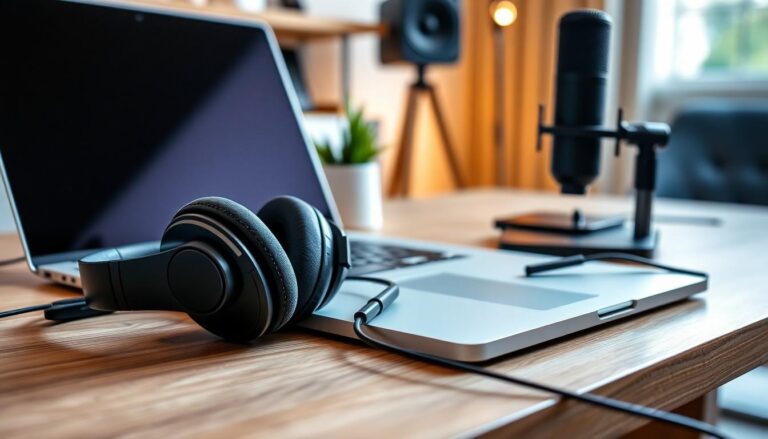
In a world where sound is king, mastering audio technology is like wielding a magic wand. Whether it’s transforming a simple podcast into an auditory masterpiece or ensuring that every note of a symphony is crystal clear, the audio technology master knows the secrets that make ears perk up. They’re the unsung heroes behind the scenes, making sure your favorite tunes don’t just sound good—they sound spectacular.
Imagine being the wizard who can turn a squeaky microphone into a smooth symphony. It’s not just about having the latest gadgets; it’s about knowing how to use them. From mixing and mastering to sound design, these audio aficionados have the skills to elevate any sound experience. So, buckle up and get ready to dive into the fascinating world of audio technology, where creativity meets cutting-edge innovation and every sound tells a story.
Overview of Audio Technology Master
Audio technology mastery embodies a blend of skill, creativity, and technical knowledge. Professionals in this field transform sound recordings into polished products, ensuring clarity and impact. Mastering encompasses various processes including equalization, compression, and limiting, which enhance the audio quality. An understanding of acoustics is crucial, as it influences how sound interacts with the environment.
One significant aspect of audio technology is the importance of using the right software. Digital Audio Workstations (DAWs) enable audio masters to manipulate sounds with precision. Some popular DAWs include Pro Tools, Logic Pro, and Ableton Live, each offering unique features suited for different projects.
In addition to software, hardware plays a pivotal role in the mastering process. Professional-grade monitors, audio interfaces, and specialized mastering equipment contribute to achieving superior sound. These tools allow audio technicians to hear every nuance in their mixes, guiding them in making informed decisions.
Collaboration is also vital within the audio technology realm. Artists, producers, and engineers work together to bring a vision to life. Each party contributes their expertise, ensuring that the final product meets industry standards and artistic intent.
Staying updated with industry trends is essential for audio masters. New technologies emerge frequently, offering innovative ways to enhance sound quality. Understanding these advancements allows audio professionals to maintain relevancy and push creative boundaries.
Overall, audio technology mastery requires a continuous commitment to learning and evolving. It combines technical expertise with artistic insight, creating sound experiences that resonate with audiences.
Key Features of Audio Technology Master

Audio technology mastery incorporates several key features that enhance sound quality and processing capabilities. Understanding these attributes aids audio professionals in delivering superior auditory experiences.
Immersive Sound Quality
Immersive sound quality stands out as a primary feature in audio technology. Professionals utilize high-fidelity speakers and acoustic treatment to create soundscapes that envelop listeners. Spatial audio techniques, such as surround sound and binaural recording, enrich these experiences by simulating three-dimensional environments. Effective equalization enhances frequency balance, ensuring clarity across multiple audio elements. Great importance lies in choosing monitors that accurately represent sound, allowing for precise mixing and mastering decisions, which contributes to achieving a polished final product.
Advanced Signal Processing
Advanced signal processing elevates audio production through sophisticated techniques. Engineers use digital audio effects, like reverb and delay, to manipulate sounds creatively and dynamically. Compression techniques ensure consistent loudness and clarity, preventing distortion during playback. Professionals often employ equalizers to shape audio frequencies, enhancing individual instruments and vocals in a mix. Tools like dynamic range control optimize the output for various formats, ensuring adaptability across platforms. Utilizing these advanced processing methods results in high-quality audio that resonates with audiences across diverse listening environments.
Applications of Audio Technology Master
Audio technology mastery finds numerous applications across various fields, enhancing sound experiences in unique ways. The following subsections explore its significant roles.
Professional Audio Production
Audio technology master plays a crucial part in professional audio production. Engineers employ advanced tools to manipulate sound, ensuring recordings achieve desired clarity and impact. Digital Audio Workstations (DAWs) serve as the backbone of this process, allowing for precise editing and mixing. Professionals utilize equalization to balance frequencies, while compression controls dynamic range, enhancing overall audio quality. High-quality monitors provide accurate sound representation during mixing and mastering stages. These elements culminate in the creation of polished audio tracks, whether for music, film, or broadcast.
Home Entertainment Systems
Home entertainment systems benefit immensely from audio technology mastery. Individuals invest in high-fidelity equipment to elevate their listening experiences. Soundbars and surround sound speakers create immersive environments, while acoustic treatment improves room acoustics. Streaming services utilize advanced audio formats, delivering high-resolution sound directly to users. Mastering audio for film enhances clarity, ensuring dialogues are crisp and effects are impactful. Leveraging sophisticated technologies allows audiences to experience cinema-quality sound in the comfort of their homes.
Comparison with Other Audio Technologies
Audio technology mastery stands out significantly when compared to other audio technologies. Mastering combines skillful manipulation of sound elements, creating seamless audio experiences that transcend basic reproduction. Traditional playback systems focus on delivering sound without the intricate artistry that an audio master applies through techniques such as equalization and effects processing.
Digital Audio Workstations (DAWs) provide unique advantages over simpler software, allowing professionals to craft sound with precision. These advanced platforms offer comprehensive toolsets that enhance creativity and ensure sound integrity at every stage of production. Hardware choices also matter. High-fidelity monitors and quality audio interfaces enable audio masters to achieve superior sound clarity, something often lacking in standard audio setups.
In contrast, consumer-grade audio equipment typically prioritizes convenience over quality. Despite their accessibility, these systems may not satisfy audiophiles looking for immersive soundscapes. Skilled audio engineers utilize sound design principles that elevate recordings beyond conventional audio output. Mastering engineers focus on dynamic range control and effective compression, ensuring each element in a mix receives the attention it deserves.
Collaboration within the audio field adds another layer to this comparison. While many audio technologies can function independently, high-quality results emerge when artists, producers, and engineers pool their expertise. Continuous evolution in techniques and tools keeps audio masters at the forefront of innovation, which can often set them apart from those using more basic technologies.
Finally, real-world applications reflect these differences. In professional settings, the commitment to high standards distinguishes audio masters from amateurs. Home entertainment systems that incorporate mastering techniques lead to richer sound experiences, transforming casual listening into compelling auditory journeys. Through dedication and skill, audio technology masters define the auditory landscape in ways that basic technologies cannot replicate.
Future Trends in Audio Technology Master
Emerging trends in audio technology master indicate a shift towards more personalized listening experiences. Artists and engineers explore adaptive audio technologies that react to the listener’s environment, enhancing clarity and immersion. Innovations, such as spatial audio formats like Dolby Atmos, offer new depths in sound design, allowing for captivating auditory landscapes.
Artificial intelligence plays an increasingly vital role in audio production. Intelligent algorithms streamline mixing processes, automate adjustments, and analyze audio quality, enabling quicker turnaround times. Through machine learning, audio mastering software can suggest enhancements that optimize sound quality based on listening preferences and environments.
The rise of immersive audio experiences also shapes future audio technology. Virtual reality applications leverage spatial audio to create compelling environments, allowing users to engage with sound in transformative ways. Enhancements in binaural recording techniques further enrich these experiences, as they create realistic soundscapes that transport listeners.
Furthermore, demand for high-resolution audio formats continues to increase. Music consumers seek formats that deliver superior quality, encouraging streaming services to adopt lossless options. Equipment manufacturers respond by developing high-fidelity gear, ensuring compatibility with these advanced formats and enhancing overall sound quality.
Sustainability will influence future developments in audio technology as well. Manufacturers are adopting eco-friendly materials and production processes to reduce environmental impact. Innovations in energy-efficient audio devices align with growing consumer demand for responsible choices.
Overall, these trends reflect a dynamic landscape in audio technology mastery, where creativity, innovation, and sustainability converge to elevate sound experiences for audiences worldwide.
Mastering audio technology is a journey that intertwines artistry with technical prowess. As professionals navigate the evolving landscape of sound, they harness innovative tools and techniques to create experiences that captivate audiences. The commitment to continuous learning and collaboration remains essential in pushing creative boundaries.
With the rise of personalized audio experiences and advancements in immersive sound technologies, audio masters are poised to redefine the auditory landscape. Their ability to adapt and innovate ensures that sound experiences remain engaging and impactful. As they explore new frontiers in audio, the future promises even more extraordinary auditory adventures.