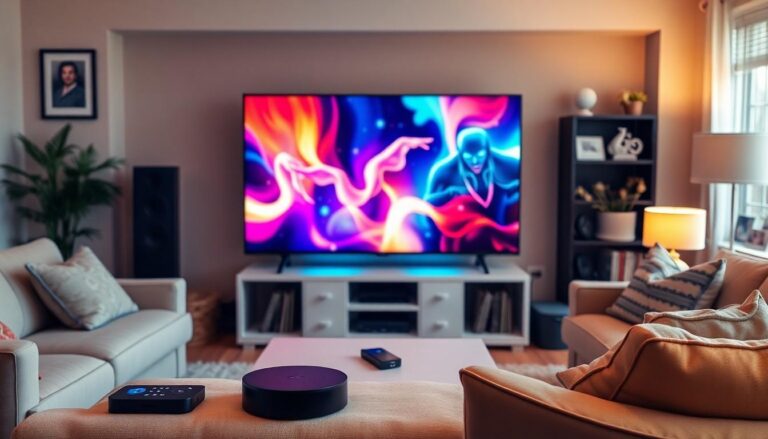
In a world where binge-watching is practically a sport, consumer electronics and video chains have become the MVPs of home entertainment. Picture this: you’re lounging on your couch, remote in hand, ready to dive into your favorite series. But wait, what’s that? A tangled mess of outdated tech? Fear not! The latest gadgets and streaming services are here to save the day, transforming your living room into a cinematic paradise.
As technology evolves faster than a cat meme goes viral, consumers are faced with an ever-growing array of choices. From sleek smart TVs to immersive sound systems, the options can be overwhelming. But don’t worry, navigating this electrifying landscape doesn’t have to feel like a game of Tetris. With the right insights, anyone can become a savvy shopper, ensuring they get the best bang for their buck while enjoying their favorite flicks in style.
Overview of Consumer Electronics/Video Chains
Consumer electronics encompass a range of devices designed for everyday use, primarily for entertainment and communication. Televisions, smartphones, tablets, and streaming devices comprise popular items in this category. Video chains refer to the interconnected systems and platforms that facilitate digital video consumption. This includes streaming services, Blu-ray players, and gaming consoles that provide seamless access to a wide variety of content.
Several factors influence consumer choices in electronics and video services. Quality and functionality remain critical, yet affordability plays a significant role. Brands that provide innovative features, such as 4K resolution and smart technology, often attract more attention. Promotions and deals also impact purchasing decisions at electronics retailers.
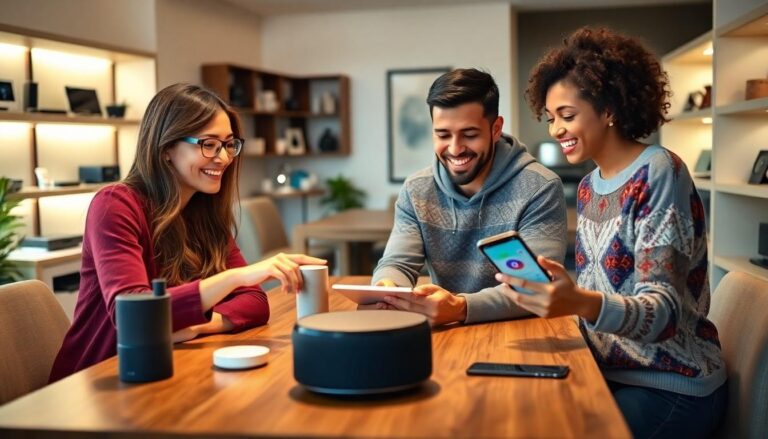
Products within consumer electronics range widely. Smart TVs connect to the internet, enabling access to streaming platforms like Netflix and Hulu. Sound systems deliver enhanced audio experiences, making movie nights more immersive. Additionally, home assistants integrate with smart home devices, allowing voice-controlled functionality.
The landscape of video chains continues to evolve. New streaming services emerge regularly, each offering unique content. Traditional cable providers adapt by developing their own streaming options, giving consumers more flexibility. As preferences shift towards on-demand content, viewers seek platforms that cater to their interests.
For those navigating this complex market, understanding product specifications, compatibility, and user reviews is vital. Readers gain insights into making informed choices by comparing features and prices across different brands. Embracing this dynamic environment enables consumers to enjoy a tailored entertainment experience in their living rooms.
Evolution of Consumer Electronics/Video Chains

Consumer electronics and video chains have undergone significant changes over the decades. These shifts reflect advancements in technology and changing consumer preferences.
Historical Context
The journey of consumer electronics began in the early 20th century with radio broadcast developments. The introduction of television in the 1940s revolutionized home entertainment, allowing families to gather around a screen for news and entertainment. VCRs emerged in the 1980s, enabling viewers to record and play back programs at their convenience. The transition from analog to digital formats in the late 1990s marked another critical point, elevating picture and sound quality. As internet access expanded in the early 2000s, streaming began to reshape how consumers interacted with video content, leading to significant shifts in viewing habits.
Technological Advancements
Recent years witnessed rapid technological advancements in consumer electronics. Innovations such as 4K and 8K display technologies enhance visual clarity, making content more immersive. Smart TVs integrate internet connectivity, allowing access to various streaming platforms directly. Devices like streaming sticks and set-top boxes have simplified access to digital content, consolidating viewing options. Additionally, the introduction of voice-activated assistants has transformed user interaction, providing hands-free control. These advancements not only improve the viewer experience but also drive competition among providers to deliver higher quality and innovative features.
Key Players in the Market
Several key players dominate the consumer electronics and video chain industries. These companies continually shape market trends and influence consumer choices through innovation and product offerings.
Major Brands
Leading brands include Samsung, Sony, LG, and Apple. Samsung excels in display technology and offers a comprehensive lineup of smartphones, smart TVs, and home appliances. Sony stands out with its premium televisions and top-tier gaming consoles. LG focuses on OLED technology, delivering high-quality visuals. Apple appeals to consumers with its ecosystem of devices, integrating smooth functionality across iPhones, iPads, and Apple TVs.
Emerging Competitors
Emerging companies like Roku, Xiaomi, and Amazon’s Fire TV are reshaping the landscape. Roku provides affordable streaming devices and offers a user-friendly interface, making content accessible to a wider audience. Xiaomi enters the market with competitively priced smart TVs and devices, quickly gaining popularity. Amazon’s Fire TV line enhances streaming experiences with diverse app offerings and voice-activated technology, making it a formidable player in the consumer electronics space.
Consumer Trends and Preferences
Consumer trends indicate a shift towards digital platforms and innovative devices, shaping viewing habits and preferences in significant ways.
Impact of Streaming Services
Streaming services dominate the entertainment landscape, providing consumers with extensive content libraries. Platforms like Netflix, Hulu, and Disney+ offer diverse options that cater to various tastes, ensuring there’s something for everyone. Viewership habits have changed significantly, with many opting for on-demand access over traditional cable subscriptions. As of 2023, nearly 70% of U.S. households subscribe to at least one streaming service, highlighting this widespread adoption. Streaming services compete not just on content but also through original programming, driving consumer loyalty and preferences.
Demand for Smart Devices
Consumers increasingly seek smart devices that integrate seamlessly with their lifestyles. Smart TVs with built-in apps and feature-rich capabilities have gained popularity, accounting for 50% of TV sales in 2022. The shift towards interconnected home ecosystems drives the demand for devices that interact and communicate effectively, enhancing user experience. Features such as voice control and home automation are top priorities for tech-savvy consumers. In addition, advancements in AI and machine learning continue to influence preferences for smarter, more intuitive products.
Challenges Facing Consumer Electronics/Video Chains
The consumer electronics and video chain industries face several challenges that impact their growth and sustainability. Key issues include supply chain disruptions and increasing environmental concerns.
Supply Chain Disruptions
Supply chain disruptions significantly affect consumer electronics. Global events, such as the COVID-19 pandemic, have highlighted vulnerabilities in manufacturing and logistics. Components like semiconductors have experienced shortages, hindering production capabilities across brands. Approximately 80% of companies reported delays in obtaining essential parts as of 2022. These delays lead to increased prices, forcing consumers to reconsider their purchasing decisions. Manufacturers often struggle to maintain stock levels, impacting sales for key products like televisions and streaming devices.
Environmental Concerns
Environmental concerns increasingly influence consumer choices in the electronics market. As awareness of electronic waste grows, brands face pressure to adopt sustainable practices. Reports indicate that only 20% of electronic waste is recycled properly. Consumers prioritize eco-friendly products, driving companies to innovate with energy-efficient technologies. In 2022, around 70% of consumers expressed interest in purchasing products from brands with sustainable initiatives. Companies that fail to address environmental challenges risk losing market share as buyers seek alternatives that align with their values.
The landscape of consumer electronics and video chains is constantly evolving. As technology advances and consumer preferences shift, staying informed is crucial for making the best choices. With a plethora of options available, understanding product features and compatibility can significantly enhance the home entertainment experience.
Brands that prioritize innovation and sustainability will likely thrive in this competitive market. As consumers continue to embrace smart devices and streaming services, the importance of quality and functionality cannot be overstated. Embracing these trends will empower individuals to create a personalized and enjoyable viewing environment in their homes.