In a world where gadgets seem to have a mind of their own, understanding consumer electronics software is like having the secret decoder ring for your tech toys. From smartphones that know your coffee order to smart fridges that can judge your midnight snacking habits, software is the unsung hero making it all happen.
Imagine trying to navigate your sleek new tablet without its trusty operating system. It’d be like trying to drive a car without wheels—frustrating and a little ridiculous. As technology evolves faster than a toddler with a sugar rush, knowing the ins and outs of consumer electronics software becomes essential. Buckle up, because diving into this topic will not only demystify your devices but also empower you to make smarter choices in a tech-savvy world.
Overview of Consumer Electronics Software
Consumer electronics software encompasses the operating systems and applications that enhance the functionality of devices. Software integrates with hardware components, allowing devices like smartphones, tablets, and televisions to operate efficiently. The role of this software extends beyond mere functionality; it creates interactive experiences tailored to user preferences.
Operating systems serve as the backbone for smart devices, providing essential support for applications to run smoothly. Android and iOS dominate the smartphone market, while Windows, macOS, and Linux cater to personal computers. Each platform boasts unique features, impacting user experience and device performance.
Applications play a crucial role in expanding a device’s capabilities. These programs enable diverse functionalities, including social media access, gaming, and productivity tools. As software continually updates, users gain access to new features, security enhancements, and often improved performance.
The importance of consumer electronics software cannot be overstated. It determines how effectively users interact with their devices. Knowledge of software advancements provides a competitive edge, enabling consumers to select devices that best meet their needs. As technology progresses, familiarity with software trends becomes essential for navigating the complex landscape of modern gadgets.
Security features embedded in software protect user information and ensure that devices function safely. For instance, regular updates fix vulnerabilities and improve resilience against potential threats. Understanding these software elements contributes to smarter purchasing and usage decisions, allowing consumers to maximize the benefits of their devices.
Key Features of Consumer Electronics Software

Consumer electronics software encompasses various features that enhance user experience and functionality. Understanding these features allows users to make informed choices when selecting and using their devices.
User Interface Design
User interface design significantly impacts how individuals interact with devices. An intuitive layout simplifies navigation and enhances accessibility, making features easily discoverable. Visual elements like buttons, icons, and menus contribute to a cohesive design that aligns with user expectations. Responsive design further ensures that software adapts seamlessly to different screen sizes and orientations. Consistent design practices promote familiarity, enabling users to transition smoothly between various applications. Ultimately, well-crafted user interfaces prioritize usability and aesthetic appeal, improving the overall device experience.
Functionality and Performance
Functionality and performance serve as critical determinants in consumer electronics software. Efficient software maximizes device performance and responsiveness, ensuring smooth operation during multitasking. Key functionalities like voice recognition and gesture control enhance user interaction and provide additional convenience. Regular updates introduce new features and optimize existing ones, keeping software fresh and relevant. Furthermore, compatibility with various hardware components plays a vital role in overall system performance. Users benefit from enhanced device capabilities, making informed choices based on tailored functionality and effective performance.
Popular Consumer Electronics Software Solutions
Numerous software solutions enhance the functionality of consumer electronics. Each solution plays a vital role in improving user experiences across various devices.
Software for Smart TVs
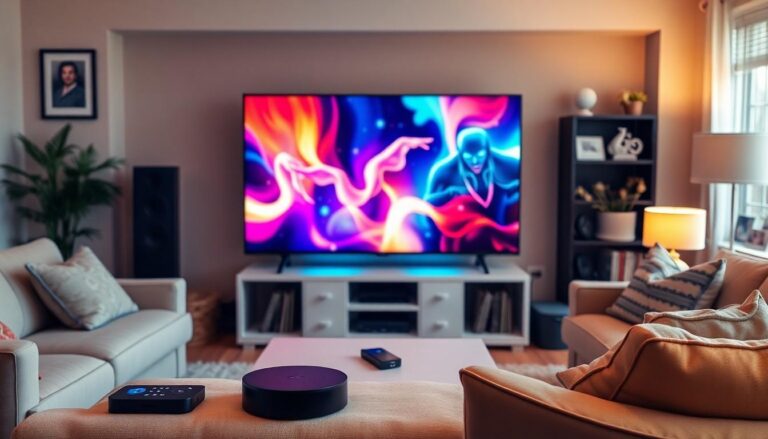
Smart TVs run on operating systems like Android TV, tvOS, and Roku OS. These platforms offer streaming access to popular services including Netflix, Hulu, and Amazon Prime Video. User interfaces prioritize simplicity, making navigation easy. Voice control features enable seamless interaction. Regular updates ensure compatibility with new applications, enhancing performance and security. Smart TVs often integrate with other devices, creating a cohesive entertainment ecosystem.
Software for Smartphones and Tablets
Smartphones and tablets operate primarily on iOS and Android, both catering to diverse user needs. iOS focuses on security and app quality, while Android offers customization options. Popular applications expand functionalities, promoting productivity and entertainment on these devices. App stores provide access to millions of applications enhancing communication, games, and education. Users benefit from regular updates, which improve device performance and security features. Devices also support seamless synchronization between apps and services, creating an integrated user experience.
Software for Smart Home Devices
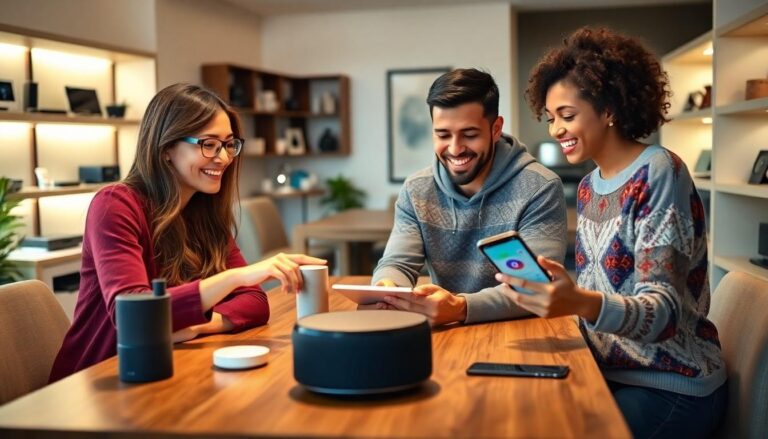
Smart home devices utilize platforms such as Google Assistant, Amazon Alexa, and Apple HomeKit to promote automation. These systems simplify control over lights, thermostats, and security cameras via smartphones or voice commands. Compatibility with various smart devices ensures a unified home ecosystem. Apps specifically tailored for managing multiple devices enhance user convenience. Regular updates introduce new capabilities and security enhancements, making home management efficient and secure. Integration with smart speakers allows for hands-free operation, promoting a user-friendly environment.
Trends in Consumer Electronics Software
Current trends in consumer electronics software showcase the increasing importance of advanced technologies. Innovations shape user experiences and integrate seamlessly into daily life.
Artificial Intelligence Integration
Artificial intelligence transforms consumer electronics software by enhancing device capabilities. Users now benefit from smarter voice assistants capable of personalized interactions. Integration of AI often leads to predictive functionalities, making devices anticipate user needs. Examples include smartphones suggesting actions based on past behavior and smart appliances optimizing energy consumption. Developers prioritize creating software that learns and adapts over time, contributing to overall satisfaction.
Enhanced User Experience with Automation
Automation significantly elevates user experience by simplifying routine tasks. Smart home devices allow users to control multiple functions from a single interface. Scheduling lights, adjusting thermostats, and managing security systems has never been easier. Software solutions for Smart TVs and streaming devices often include automation to enhance viewing experiences through personalized recommendations. Consumers appreciate that these enhancements not only save time but also improve product interactions across various platforms.
Challenges in Consumer Electronics Software Development
Complexity in integration poses a significant challenge. Consumer electronics often combine numerous hardware components with software, complicating development. Compatibility issues arise among different operating systems, which can hinder performance and user experience.
Security remains a pressing concern in the software landscape. Developers must address vulnerabilities and protect sensitive data from breaches. Regulations such as GDPR require strict adherence to data protection standards, increasing the development burden.
Rapid technological advancements demand constant adaptation by software developers. Updates must occur regularly to keep pace with innovations, including artificial intelligence and machine learning. Rollout of new features can strain resources, impacting project timelines.
User experience plays a vital role in software success. Developers must meticulously design interfaces that meet diverse consumer needs and preferences. Testing for usability across devices introduces additional layers of complexity.
Resource limitations can impede development efforts. Teams often face constraints regarding time and budgets, impacting the ability to implement cutting-edge features. Balancing innovation with available resources remains a constant struggle.
Market competition demands high-quality software. Differentiation in a crowded marketplace requires continuous enhancement of features and performance. Failing to meet consumer expectations may result in reduced market share.
Lastly, obtaining user feedback presents its own set of challenges. Collecting and analyzing consumer insights help refine software products but can be difficult to execute effectively. Timely feedback is essential for ongoing improvement and relevance in a fast-evolving technology landscape.
Understanding consumer electronics software is vital in today’s tech-centric world. As devices become increasingly sophisticated, the software that powers them plays a crucial role in shaping user experiences. Knowledge of software features and advancements not only enhances device functionality but also helps consumers make informed purchasing decisions.
Staying updated on trends like artificial intelligence and automation can further empower users to maximize their technology’s potential. By recognizing the importance of security and user experience, individuals can navigate the complexities of consumer electronics with confidence. Embracing this knowledge will enable smarter interactions with devices and ensure a seamless integration into daily life.