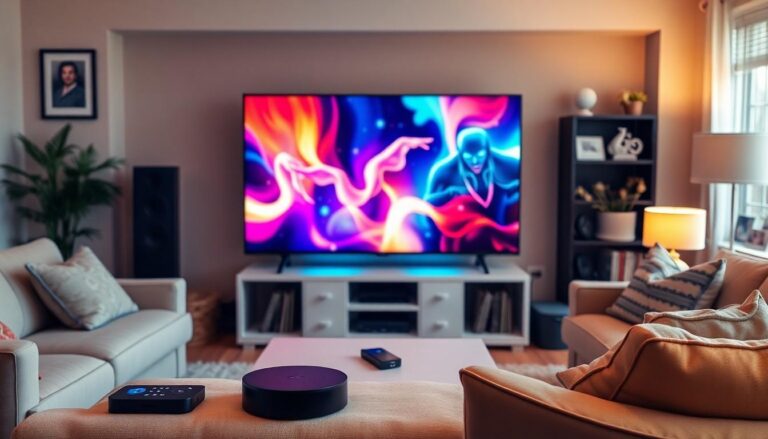
In a world where gadgets reign supreme, choosing the right consumer electronics brand can feel like picking a favorite child—impossible! From smartphones that practically run your life to smart TVs that make you question reality, the options are endless. It’s a jungle out there, and every brand promises to be the king of the tech jungle.
But fear not! Navigating this electrifying landscape doesn’t have to be daunting. With a little insight and a dash of humor, anyone can find the perfect brand that fits their lifestyle and budget. So grab your popcorn, sit back, and let’s dive into the fascinating world of consumer electronics, where innovation meets your wildest tech dreams.
Overview of Consumer Electronics Brands
Consumer electronics brands significantly impact daily life through innovation and diverse offerings. Smartphones, smart TVs, laptops, and wearables exemplify the vast range of products available in today’s market. Influential brands such as Apple, Samsung, and Sony dominate the landscape, known for their cutting-edge technology and user-friendly designs.
Emerging brands continue to capture attention by providing niche products with unique features. Xiaomi stands out with its affordable yet high-quality devices, appealing to budget-conscious consumers. Dell and HP maintain strong presences in the laptop market, each known for reliability and exceptional customer support.
Varied product lines cater to different demographics and preferences. Some brands focus on gaming audiences, like ASUS and Razer, while others target everyday users with simple interfaces and practicality. Sustainability also becomes a priority for companies like HP, which actively promotes recycling and eco-friendly technologies.
Competitive pricing influences consumer decisions. Discounts and promotions attract bargain hunters, especially during seasonal sales events. Research indicates that brand loyalty often correlates with positive experiences and well-established customer service.
Availability remains crucial in the consumer electronics market. Retailers like Best Buy and Amazon provide vast selections, ensuring consumers find preferred brands and models. Online reviews significantly shape purchasing decisions, as most buyers consult user experiences for informed choices.
A combination of innovation, branding strategies, and market positioning defines consumer electronics brands. Focusing on user needs and preferences drives ongoing success, setting the stage for future advancements in the industry.
Key Players in the Market


Several influential brands shape the consumer electronics landscape today. Their commitment to innovation and customer needs drives the industry forward.
Established Brands
Apple continues to set the standard in consumer electronics with its premium devices, including the iPhone, iPad, and Mac. Samsung maintains a strong presence through its diverse product range, from smartphones to smart home appliances. Sony excels in audio-visual technology, particularly with its high-definition televisions and gaming consoles. LG stands out for its impressive line of smart TVs and home appliances, focusing on user-friendly features and cutting-edge technology. These established brands consistently deliver quality and cater to a wide array of consumer preferences.
Emerging Brands
Xiaomi has gained popularity for offering high-quality devices at competitive prices, making it a go-to choice for budget-conscious consumers. OnePlus has carved a niche in the smartphone market with its flagship models that combine performance and affordability. Oppo focuses on camera technology, attracting photography enthusiasts seeking advanced features. Realme targets younger audiences with trendy designs and affordable pricing strategies. Emerging brands like these adapt quickly to market trends and consumer demands, providing exciting alternatives to established giants.
Product Range and Innovations
Consumer electronics brands present a vast array of products, showcasing constant innovation. They continuously adapt to consumer needs and technological advancements.
Smartphones and Tablets
Smartphones and tablets dominate the product landscape. Apple leads with the iPhone and iPad, offering users premium design and performance. Samsung follows closely, providing Galaxy devices that balance innovation and value. Budget-friendly options surface from brands like Xiaomi and OnePlus, delivering robust functionality without hefty price tags. The integration of 5G technology enhances communication speed, while advancements in camera systems improve photo quality. Consumers benefit from a plethora of choices that cater to diverse preferences and needs.
Home Appliances
Home appliances represent another essential product segment. LG excels with smart refrigerators that monitor food freshness and offer recipe suggestions. Samsung’s washers and dryers incorporate AI for optimized wash cycles, ensuring efficiency. Brands emphasize energy efficiency to appeal to environmentally conscious consumers. Products from Whirlpool and GE focus on reliability and user-friendly designs. The rise of IoT in appliances enhances convenience, allowing users to control devices remotely. These innovations streamline household management, reflecting broader trends in technology.
Smart Home Gadgets
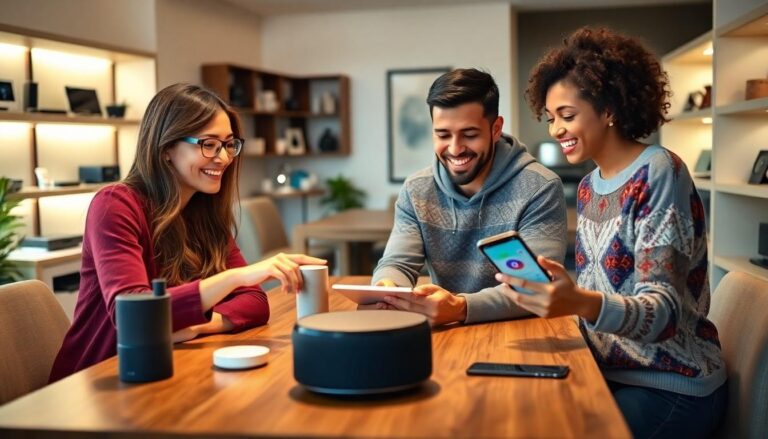
Smart home gadgets have revolutionized residential living. Devices like Amazon Echo and Google Nest enable voice control for seamless interaction with technology. Smart lighting systems offer customization of ambiance and energy consumption. Security cameras from Arlo and Ring provide peace of mind with real-time monitoring. Cloud-based technologies enhance compatibility among various devices, promoting a cohesive smart ecosystem. Many brands prioritize user-friendly interfaces to attract a diverse audience, from tech-savvy individuals to families seeking convenience. The continued evolution of smart gadgets signifies a shift toward intelligent living solutions.
Market Trends and Consumer Preferences
An evolving landscape characterizes consumer electronics, with brands responding to shifting demands and preferences. Sustainability and technological advancements emerge as key themes driving the market.
Sustainability Efforts
Brands increasingly prioritize eco-friendly practices to meet consumer expectations. Companies like HP actively promote recycling and sustainable materials in their products. For instance, smartphone manufacturers are exploring biodegradable packaging and reducing plastic use. Energy-efficient devices attract environmentally conscious buyers, offering lower operating costs. Consumers recognize the importance of responsible sourcing, influencing their purchasing choices toward brands with transparent supply chains. Manufacturers that commit to sustainability often boost their market appeal, gaining loyalty from a growing segment of eco-aware shoppers.
Technological Advancements
Innovations shape the consumer electronics market, with smart technology taking center stage. Companies advance product development through features like AI and machine learning, enhancing user experiences. For example, the integration of 5G technology increases connectivity and speeds across devices. Brands release smartphones with sophisticated camera systems, catering to photography enthusiasts. Home appliances adopt smart capabilities, allowing remote control and automation. Consumers appreciate devices that offer convenience and increased functionality, creating a competitive edge for brands embracing cutting-edge technology.
Brand Reputation and Consumer Loyalty
Brand reputation significantly impacts consumer loyalty in the electronics market. Leading brands like Apple and Samsung cultivate strong reputations through consistent innovation and quality control. Trust builds when companies prioritize customer satisfaction and deliver reliable products.
Emerging brands such as Xiaomi and OnePlus attract attention with their budget-friendly offerings while maintaining quality standards. Customers often choose these brands for value without sacrificing functionality. Loyalty often develops when brands engage with consumers through responsive customer service and an active online presence.
Research indicates that 80% of consumers prefer brands that demonstrate a commitment to sustainability. Brands like HP excel in this area by promoting eco-friendly practices and products, appealing to environmentally conscious consumers. Engaging with sustainability initiatives fosters brand loyalty among consumers wishing to support responsible businesses.
Consumers frequently rely on online reviews before making purchasing decisions. Trustworthy reviews can sway opinions, especially in a competitive market filled with options. Competitive pricing and availability through retailers such as Amazon and Best Buy enhance consumer accessibility, positively influencing brand reputation.
Advanced technologies attract consumers, particularly features like 5G connectivity and high-quality camera systems. Brands that incorporate these innovations often enjoy enhanced loyalty as users seek devices meeting their needs. Continuous improvement in product lines encourages consumers to remain with their favored brands while exploring new models.
Overall, nurturing brand reputation and consumer loyalty requires strategic attention to customer preferences and emerging trends. Flexibility in adapting to the shifting landscape of consumer electronics solidifies a brand’s place in the market.
The landscape of consumer electronics is vibrant and ever-evolving. With a plethora of brands competing for attention, consumers have the power to choose products that align with their needs and values. Whether opting for premium devices from established leaders or exploring innovative offerings from emerging brands, the options are vast.
Sustainability and technological advancements are shaping the future, ensuring that brands remain responsive to consumer demands. As the market continues to grow, staying informed about trends and brand reputations will empower consumers to make confident choices. Embracing this exciting journey in consumer electronics can lead to enhanced experiences and satisfaction.