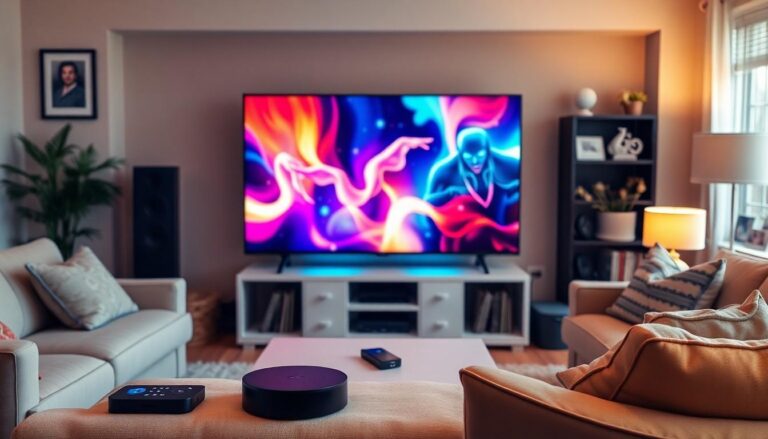
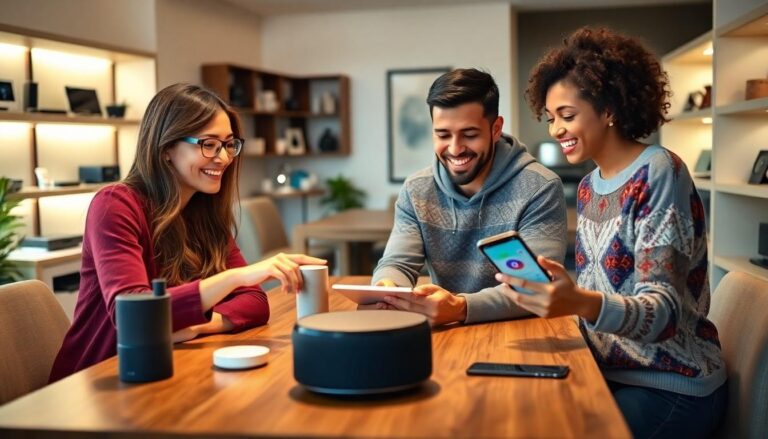
In a world where technology evolves faster than a toddler can throw a tantrum, e tech stands out as a game changer. It’s not just about gadgets and gizmos; it’s about revolutionizing how we live, work, and play. From smart homes that seem to have their own personalities to apps that can predict your lunch cravings, e tech is reshaping our daily lives in ways that are both exciting and a little bit mind-boggling.
Imagine a world where your fridge knows when you’re out of milk and orders more before you even realize it. Sounds like science fiction? Welcome to the age of e tech, where innovation meets convenience with a dash of humor. Buckle up as we dive into the fascinating realm of e tech and discover how it’s not just changing the game but rewriting the entire rulebook.
Overview of E Tech
E tech encompasses various technologies that enhance everyday life through digital and electronic innovations. This area includes smart devices, AI systems, and internet connectivity that streamline tasks and improve efficiency. With voices activating household systems, homes now respond to commands that simplify daily routines.
Automated systems exemplify this shift. They monitor energy usage, optimize heating and cooling, and anticipate needs based on user patterns. Numerous appliances, capable of placing grocery orders, underscore the convenience at consumers’ fingertips.
Mobile technology plays a pivotal role in e tech. Smartphones serve as central control hubs for smart devices, enabling remote access to home functions. Users can adjust lights, thermostats, and security systems from anywhere, providing peace of mind.
The impact of e tech extends to workplaces as well. Enhanced communication tools facilitate collaboration among remote teams, driving productivity. Virtual meetings enable efficient discussions without geographical limits, further reshaping traditional work environments.
Innovations like smart wearables also contribute to the e tech landscape. These devices track health metrics and provide users with real-time feedback on activity and wellness. Data-driven insights empower individuals to make informed choices regarding personal health.
E tech continues to evolve. The integration of machine learning and the Internet of Things drives advancements in automation and connectivity. As technology improves, e tech sets the stage for future developments that further redefine modern living.
Key Features of E Tech

E tech showcases cutting-edge advancements that significantly enhance daily living and working environments. Its features exemplify how technology can improve efficiency and convenience.
Innovation in Technology
E tech drives innovation across various sectors. Smart devices connect seamlessly to the Internet of Things, enabling users to control multiple functions from their smartphones. AI systems learn user preferences, adapting to improve tasks over time. Automation tools streamline workflows, increasing productivity in both home and office settings. For instance, real-time data analysis allows businesses to make rapid decisions based on market trends. Furthermore, advancements in machine learning enhance predictive capabilities, making future technologies smarter and more responsive.
User Experience Enhancements
User experience in e tech focuses on simplicity and accessibility. Intuitive interfaces make navigation easy for all users, regardless of technical expertise. Personalized experiences cater to individual preferences, leading to increased user satisfaction. Smart home systems, for instance, can learn daily routines to adjust settings automatically. Wearable technology provides instant health feedback, promoting proactive wellness choices. Enhanced communication tools facilitate collaboration across remote teams, improving overall connectivity. These improvements create a more engaging and efficient user experience.
Benefits of E Tech
E tech offers various advantages that enhance everyday life, making tasks simpler and more enjoyable.
Increased Efficiency
Increased efficiency emerges as a primary benefit of e tech. Smart devices streamline tasks, allowing users to complete daily activities faster. Automated systems track energy consumption, optimizing settings to reduce waste. Voice-activated assistants help manage scheduling, enabling multitasking without disruption. Teams benefit from improved communication tools, fostering collaboration regardless of location. Enhanced data analytics provide actionable insights, leading to informed decisions. Tasks that once required significant time now take mere minutes. With e tech, individuals can focus on what truly matters, leaving automation to handle routine processes.
Cost Savings
Cost savings present another compelling advantage of e tech. Smart home technologies significantly reduce energy bills by optimizing usage patterns. Automated thermostats adjust temperatures based on occupancy, preventing unnecessary heating or cooling. Wearable health devices track fitness metrics, promoting healthier lifestyles that can lead to lower healthcare costs. Businesses experience enhanced productivity due to streamlined operations, ultimately affecting their bottom line positively. E tech also often lowers equipment maintenance costs through predictive analytics, minimizing downtime. Overall, these savings accumulate over time, making investments in e tech worthwhile for both homes and businesses.
Challenges and Limitations
E tech faces several significant challenges and limitations, impacting its widespread adoption and effective utilization.
Security Concerns
Security remains a critical issue for e tech users. Cybersecurity threats such as data breaches and malware attacks compromise sensitive information stored in smart devices. Many devices connect to the Internet of Things, increasing vulnerability to external exploitation. Users often lack awareness of security protocols necessary for safeguarding their devices. Manufacturers must prioritize robust encryption and regular software updates to address emerging threats. The risks associated with insufficient security measures can undermine users’ confidence and hinder the growth of e tech’s market.
Accessibility Issues
Accessibility presents another challenge in the realm of e tech. Many smart devices require internet connectivity, limiting usability for individuals in remote or underserved areas without reliable access. Additionally, complex interfaces may hinder users with disabilities or less tech-savvy individuals. Companies should design user-friendly interfaces that accommodate diverse populations. Financial barriers also restrict access, as high costs of smart devices can exclude lower-income households. Ensuring that e tech solutions are inclusive remains essential for maximizing the benefits across all segments of society.
Future Trends in E Tech
Emerging technologies shape the future of e tech, driving innovations that enhance user experiences. Integration of artificial intelligence will play a pivotal role as smart devices become more intuitive and responsive to individual needs. Growth in machine learning capabilities enables systems to anticipate user behavior, offering tailored solutions for daily living.
In addition, smartphones will continue serving as central control hubs, connecting an increasing range of smart devices seamlessly. Improved internet connectivity will make remote management of home functions easier than ever. Advancements in 5G technology will support faster communication between devices, enhancing overall system efficiency.
Wearable technology represents another significant trend, with health-focused devices gaining traction. These gadgets will track not just fitness metrics but also mental health indicators, providing users with holistic health insights. Insights gained from real-time data analysis empower users to make informed lifestyle decisions.
Sustainability is also a key consideration for future e tech developments. Energy-efficient systems and smart home technologies will contribute to reduced energy costs while promoting eco-friendly practices. Automated energy monitoring tools will further assist users in minimizing their carbon footprints.
Collaborative technologies in workplaces are set to evolve as well. Enhanced virtual meeting platforms will support diverse work environments, allowing teams to connect effortlessly regardless of location. Virtual reality and augmented reality will increasingly facilitate immersive training experiences, transforming standard onboarding methods.
Security will remain a focal point as e tech advances. As the number of interconnected devices grows, so do concerns regarding data privacy. Manufacturers must prioritize cybersecurity protocols to protect users from potential threats, ensuring that e tech’s benefits can reach broader audiences.
E tech is reshaping everyday experiences in profound ways. As it continues to advance the integration of smart devices and AI, the potential for enhanced convenience and efficiency grows. The journey toward a more connected lifestyle is filled with exciting innovations that promise to simplify tasks and improve overall well-being.
However, challenges like security concerns and accessibility issues must be addressed to ensure that everyone can benefit from these technologies. Future developments will likely focus on creating more intuitive systems and robust cybersecurity measures. Embracing e tech means not only adapting to change but also preparing for a future where technology seamlessly integrates into daily life, enhancing both personal and professional environments.