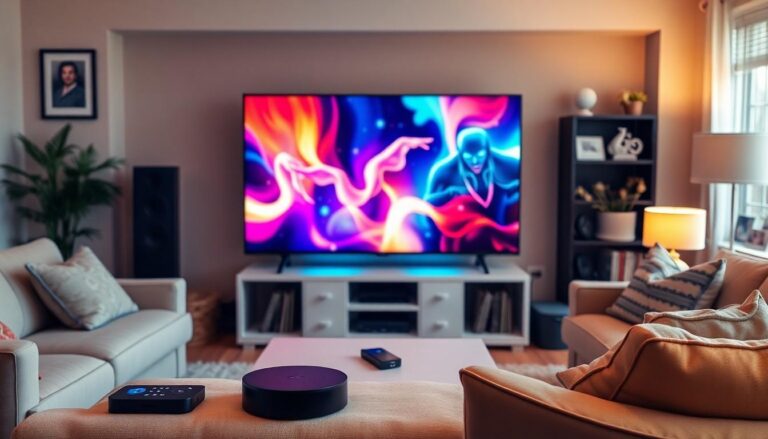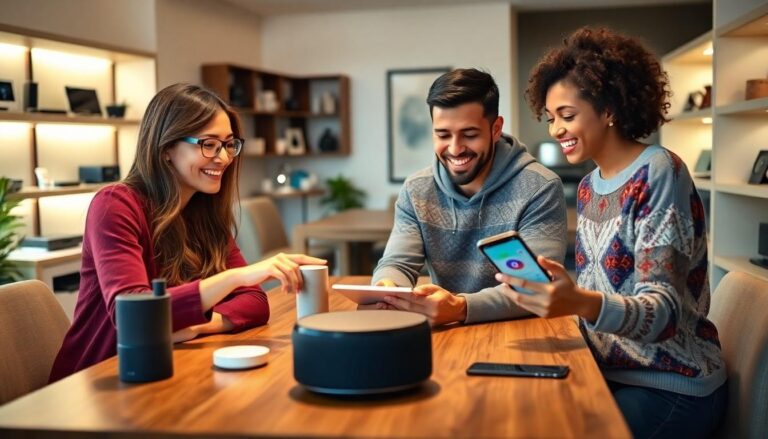
In a world where gadgets seem to multiply faster than rabbits, retail consumer electronics have become the ultimate playground for tech enthusiasts and casual shoppers alike. From the latest smartphones that can practically read your mind to smart fridges that can order groceries for you, the options are endless. It’s like walking into a candy store—if that candy store had a 4K TV section and a virtual reality gaming area.
Overview of Retail Consumer Electronics
Retail consumer electronics encompass a broad spectrum of electronic devices designed for everyday use. These products serve various purposes, from enhancing convenience to providing entertainment.
Definition and Scope
Retail consumer electronics include items like smartphones, tablets, laptops, televisions, and home appliances. This category captures technology that caters to consumers rather than businesses. The scope further extends to wearable technology, smart home devices, and gaming consoles. Advances in connectivity, such as IoT, have expanded the definition to include more devices. Each product enhances daily life functionality, making it an integral part of households.
Importance in Today’s Market
Today’s market recognizes retail consumer electronics as pivotal to daily living. With global sales reaching approximately $1 trillion, these products reflect changing consumer behaviors and technological advancements. Key factors driving this importance include innovation, brand loyalty, and digital transformation. Consumers seek out devices that offer convenience, entertainment, and connectivity. As more people embrace smart technology, the demand for retail consumer electronics increases, reshaping shopping habits and influencing retail strategies.
Key Trends in Retail Consumer Electronics

Retail consumer electronics continue to evolve with innovative technologies and sustainability initiatives leading the way. These trends significantly influence consumer choices and industry practices.
Innovative Technologies
Artificial intelligence and machine learning revolutionize how devices interact with users. Smart assistants embedded in gadgets streamline daily tasks, offering seamless connectivity. 5G technology enhances device performance, enabling faster streaming and better gaming experiences. Advanced displays, such as OLED and mini-LED, improve visual quality in televisions and monitors. Virtual reality and augmented reality also create immersive user experiences, expanding their applications beyond gaming. As a result, the adoption of these technologies shapes purchasing preferences among consumers, reflecting a strong demand for smart, connected devices.
Sustainability and Eco-Friendliness
Sustainability emerges as a crucial factor influencing retail consumer electronics. Manufacturers increasingly focus on eco-friendly materials and energy-efficient designs. Consumers show a growing preference for devices that minimize environmental impact, driving brands to adopt greener practices. Programs for recycling and refurbishment extend the lifecycle of electronics, meeting consumer desires for responsible consumption. Certifications like Energy Star motivate brands to prioritize energy efficiency, appealing to environmentally conscious buyers. By embracing sustainability, retailers not only contribute to environmental preservation but also enhance their brand reputation among consumers.
Major Retail Players
Retail consumer electronics showcases a mix of online and brick-and-mortar shopping experiences. Both platforms cater to diverse consumer preferences while influencing purchasing decisions.
Online vs. Brick-and-Mortar
Online shopping offers convenience and a broader range of options. Shoppers can easily compare prices and access customer reviews, enhancing informed decisions. In contrast, brick-and-mortar stores provide tactile experiences where consumers can physically evaluate products. Physical stores also allow for immediate purchases, reducing wait times associated with shipping. Many retailers now integrate both channels, creating an omnichannel approach that combines the best of online flexibility with in-store service.
Leading Brands and Manufacturers
Several key players dominate the retail consumer electronics market. Apple consistently leads with its innovation and brand loyalty, offering products that include smartphones and tablets. Samsung follows closely, known for its expansive range of devices like televisions and home appliances. Other prominent brands include Microsoft, which specializes in laptops and software solutions, and Sony, recognized for gaming consoles and high-quality audio equipment. These manufacturers continuously adapt to technological advancements and consumer demands to maintain their market positions.
Consumer Behavior and Preferences
Consumer behavior in retail consumer electronics reflects a dynamic landscape shaped by technology and evolving preferences. Significant changes in shopping habits emerge as consumers prioritize different aspects of their shopping experiences.
Shopping Habits
Shoppers increasingly seek online platforms for convenience and comparative shopping. Flexibility in browsing and purchasing enhances overall satisfaction. Consumers browse product details and reviews online before visiting stores to assess devices in-person. Many prefer researching features and prices before making final decisions. Instant gratification drives purchases, pushing consumers towards quick delivery options. Bricks and mortar locations hide opportunities for experiential shopping, allowing interactions with devices that online shopping cannot provide. The combination of online and physical channels leads to an omnichannel shopping experience that meets diverse consumer needs.
Impact of Reviews and Recommendations
Product reviews and recommendations hold significant influence over consumer choices in retail consumer electronics. Shoppers rely heavily on peer feedback and expert opinions to guide their decisions. Exposure to both positive and negative reviews shapes perceptions of a product’s value and reliability. High ratings often translate into increased trust and sales, boosting a brand’s visibility and appeal. Many consumers actively seek out reviews on various platforms before finalizing purchases. Recommendations from friends or family further enhance trust, guiding buyers towards proven products. This emphasis on social proof demonstrates the importance of reputation in the digital age.
Challenges Facing Retail Consumer Electronics
Retail consumer electronics face significant challenges that can impact growth and profitability. These hurdles include supply chain issues and intense competition, which put pressure on pricing strategies.
Supply Chain Issues
Supply chain disruptions negatively affect inventory management and product availability. Increased demand for consumer electronics placed strain on manufacturers, creating shortages across various product categories. Global events, such as the pandemic, led to shipping delays and increased transportation costs. Retailers struggle to maintain sufficient stock levels, leading to lost sales opportunities. Moreover, fluctuating component prices further complicate purchasing decisions for retailers. Adapting to sudden changes in demand often results in either overstock or limited offerings for consumers.
Competition and Pricing Pressure
Competition in the consumer electronics market is fierce, driving retailers to adopt aggressive pricing strategies. Major brands continually innovate, leading to rapid product launches that challenge established market players. As prices drop, maintaining profit margins becomes increasingly difficult. Price-sensitive consumers prioritize deals, prompting retailers to offer promotions and discounts regularly. Online marketplaces also add to this pressure, enabling shoppers to compare prices easily. Consequently, retailers are forced to balance competitive pricing with quality service to remain appealing to consumers.
The retail consumer electronics market continues to thrive as technology evolves and consumer preferences shift. With the integration of innovative features and sustainability initiatives, brands are adapting to meet the demands of today’s shoppers. The blend of online and brick-and-mortar experiences enhances convenience and engagement, making it easier for consumers to find the right products.
As the market grows, retailers face challenges that require strategic responses to maintain their competitive edge. By focusing on quality service and embracing new technologies, they can navigate these hurdles effectively. The future of retail consumer electronics looks promising, driven by a commitment to innovation and sustainability that resonates with consumers.